Help! My Dog Is a Poop Eater! (Vet Answered)

This question has been answered by a vet
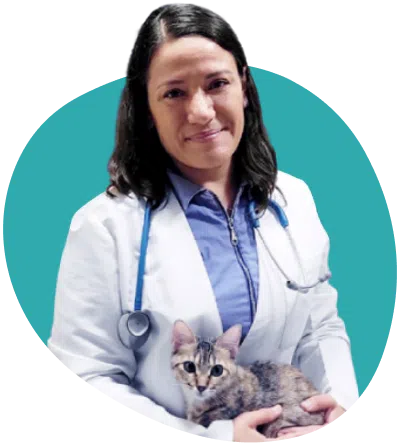
Veterinarian & Animal Behaviorist
With nearly two decades in veterinary medicine, Dr. Paola brings hands-on experience across multiple species. A graduate of the University of Guadalajara, she specializes in preventive care, animal welfare, and positive reinforcement training.
The Question
“I have a female dog whom I rescued in October. Lulu is a “poop eater.” I mostly get the poop picked up immediately. I’ve purchased no poop chews and reward her with treats when she poops and immediately runs to the door after. She has learned to come to her bed for treats after doing her business. I do, however, catch her trying to eat a piece of it if I missed picking it up. I feel she was food insecure before coming to me and learned to eat poop. She was so skinny. What more can I do?“ – Carlan
Quick Info about Lulu
Dear Carlan,
What you are seeing with Lulu is actually quite common, especially in dogs who have experienced food scarcity or inconsistent care. From a behavioral perspective, coprophagia can become a learned survival strategy, much like someone who once had limited access to food holding onto habits even after their environment improves. The fact that she was underweight when you rescued her strongly supports that this behavior may have started as an adaptive response rather than a preference. The good news is that you are already doing several things very well, especially reinforcing her for eliminating and returning to you, which helps shift her focus away from the feces and toward a predictable reward.
At this stage, management and consistency are key. Immediate cleanup remains one of the most effective tools, since preventing rehearsal of the behavior is like removing the opportunity for a habit to strengthen. Continue reinforcing her for coming inside right after she eliminates, and consider making that reward especially high value so it consistently outweighs the motivation to investigate the stool. Some dogs benefit from being on a leash during potty breaks so you can gently guide them away right after they finish. Nutritionally, ensure she is on a complete and balanced diet with adequate caloric intake, since lingering hunger or malabsorption can contribute to this behavior. If the behavior persists despite good management, it can be helpful to have a veterinarian assess for underlying digestive issues such as exocrine pancreatic insufficiency or intestinal parasites, although in many rescue cases, behavior remains the primary driver.
It is also important to be patient with her, since habits formed under stress can take time to fade, even in a safe environment. You are essentially helping her “rewrite” an old survival script with a new, more secure routine. Over time, with consistent reinforcement and prevention, most dogs gradually lose interest in feces as they learn that food is reliably provided and more rewarding options are available. Keep up the wonderful management and give it time!
Sincerely,
– Dr. Paola