

HELP! My Havanese Puppy Isn’t Eating! (Vet Answered)

This question has been answered by a vet
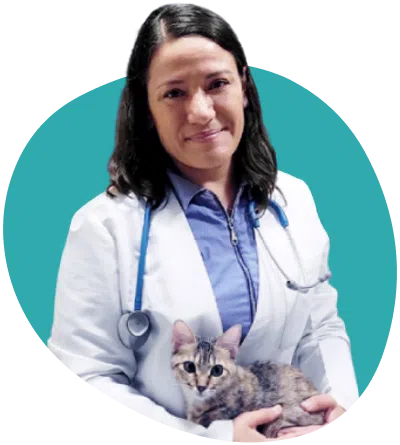
Veterinarian & Animal Behaviorist
With nearly two decades in veterinary medicine, Dr. Paola brings hands-on experience across multiple species. A graduate of the University of Guadalajara, she specializes in preventive care, animal welfare, and positive reinforcement training.
The Question
“Dear Dr Paola,
I purchased my Havanese, Paisley, at 8 weeks. She hasn’t eaten any food for three weeks now. That makes her blood sugar drop. I have taken her to the emergency vets twice and my regular vet numerous times.
They have run multiple liver tests but can't find anything wrong with her. I have been hand-feeding her the prescription sugar water the vet gave me, but I have to force her mouth open to give it to her.
Have you ever heard of anything like this?“
- Angela
Quick Info about Paisley
Dear Angela,
A tiny puppy has limited energy reserves, so when she stops eating, her blood glucose can fall quickly. This is one reason we normally feed puppies several times throughout the day. However, three weeks without eating is much more concerning than simple “puppy hypoglycemia.” Sadly, once a puppy stops eating, this can become a vicious cycle because low blood glucose can cause weakness, abnormal behavior, and even less interest in food. Sugar can temporarily raise her blood glucose, but it does not address the underlying problem. And since Paisley has been refusing food for several weeks, this deserves some serious detective work.
Normal liver blood tests are reassuring, but they do not completely rule out every condition that can cause chronic inappetence or recurrent hypoglycemia in a puppy. Depending on what has already been evaluated, your veterinarian may also consider additional investigation for conditions such as infection, gastrointestinal disease, congenital portosystemic shunting, adrenal disease, or other metabolic disorders.
A portosystemic shunt (PSS) is an abnormal blood vessel that allows some blood from the digestive system to bypass the liver instead of passing through it normally. Because the liver plays an important role in processing nutrients and maintaining normal metabolism, this abnormal circulation can cause problems in some puppies. More specialized blood tests and imaging, such as abdominal ultrasound with Doppler evaluation or, in some cases, CT angiography, may be needed to investigate these conditions.
The Havanese is among the breeds with a higher risk of PSS, so if it hasn’t already, I think this should be thoroughly investigated.
Although managing her glucose levels is very important, please be cautious; forcing sugar water into her mouth carries a risk of aspiration (inhaling the liquid into the lungs). If Paisley is conscious and able to swallow normally, the recommendation is to place a small amount of an appropriate glucose source, like the water you mentioned, directly onto her gums or inside her cheek, where it can be absorbed through the mucous membranes. This can help raise her glucose levels without the risk of aspiration. However, if she becomes extremely weak, cannot swallow normally, collapses, becomes unconscious, or has a seizure, nothing should be given by mouth because of the risk of inhaling it into the lungs. Those situations require immediate emergency veterinary treatment.
Because Paisley has gone this long without eating voluntarily and continues to experience low blood glucose, I would discuss referral to a veterinary internal medicine specialist or hospitalization for nutritional and glucose support. Think of the glucose as a power generator keeping the lights on, but the priority is still finding out why the electrical system keeps failing. Sugar can keep the lights on for a while, but eventually we need to find the faulty wiring. Supporting her blood glucose is essential, but identifying and treating the underlying cause is what will ultimately allow her to maintain normal glucose without constant intervention.
I wish you and Paisley the very best, and I hope this helps.
- Dr. Paola