

Help! My Dog Died After Vet Care! (Vet Answered)

This question has been answered by a vet
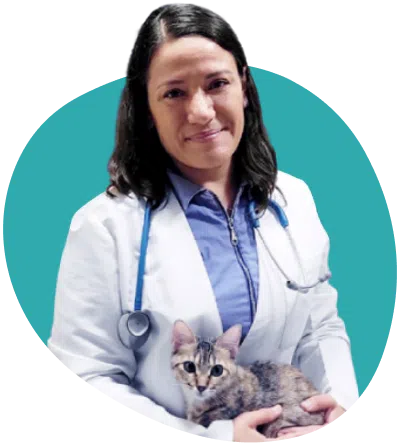
Veterinarian & Animal Behaviorist
With nearly two decades in veterinary medicine, Dr. Paola brings hands-on experience across multiple species. A graduate of the University of Guadalajara, she specializes in preventive care, animal welfare, and positive reinforcement training.
The Question
“Dear Dr. Paola,
My dog Archie died after I took him to the vet. He was coughing up phlegm from his lungs for three nights. The vet disagreed with me, said he was vomiting, and treated him for that. My dog died a week later, after receiving many tests, treatments, CT scans, X-rays, and even a camera into his lungs and hospitalization. After taking him to another vet, I learned that he had atypical pneumonia. I can’t help but believe that had he been treated for the complaint I originally brought him in for, he would be here now. He was only six years old and in perfect health. Could you give me your opinion on this, please? I have videos showing Archie coughing, certainly not vomiting.” – Annette
Quick Info about Archie
Dear Annette,
I’m truly sorry for your loss. Losing Archie in such a distressing and seemingly preventable way is heartbreaking, and I can feel the depth of your love and the weight of your pain through your words. Your grief is valid, and your questions deserve careful, compassionate consideration.
From what you’ve shared, it sounds like you were very observant and proactive in taking Archie to the vet. Coughing, particularly with the production of phlegm from the lungs, points toward a respiratory issue rather than a gastrointestinal one. While coughing can sometimes be mistaken for retching or vomiting, videos are often very useful in clarifying these distinctions, especially in brachycephalic breeds or when signs are subtle. A misinterpretation at that early stage could, unfortunately, delay proper diagnosis and treatment. Atypical pneumonia, which can progress quickly and be difficult to detect in its early stages, requires timely, targeted therapy. If initial treatment was directed at the wrong body system, it’s possible that the window for successful intervention was narrowed.
You did everything a devoted pet parent could. You trusted your instincts, sought a second opinion, and pursued advanced diagnostics. That speaks volumes about your love and commitment to Archie. While we cannot rewrite the past, seeking answers, even now, can be an important part of the healing process. This is difficult during intense emotional moments, but it may help to reflect on the fact that even the most experienced and compassionate veterinarians can sometimes misinterpret what they see, especially if the signs are presented in a way that mimics gastrointestinal distress. Veterinary medicine, like human medicine, isn’t always clear-cut, and while that doesn’t ease your loss, it’s important to know that errors in judgment are rarely due to a lack of care, but rather to the complexity of cases and the limitations of the information available at the time. After all, we vets are also just humans, trying to do our best for the animals in our care.
If you feel that your concerns were dismissed or not fully explored when they should have been, you may want to consult with another veterinary professional. They can review the full records and offer insight specific to Archie’s timeline. You might also consider submitting the case for review to a veterinary medical board, not out of blame, but in pursuit of transparency and learning. Archie mattered deeply, and your voice matters, too. I sincerely wish you strength throughout your grief and healing. In case you haven’t read it, my dear colleague Dr. Karyn has written about her experience losing her elderly dog. You may find her insights on how to acknowledge missing Archie, live the process, and finally manage to open your heart again helpful.
Condolences, Dr. Paola