

Help! My Dog Has a Mast Cell Tumor! (Vet Answered)

This question has been answered by a vet
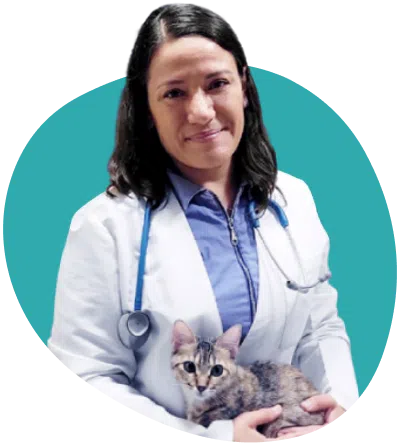
Veterinarian & Animal Behaviorist
With nearly two decades in veterinary medicine, Dr. Paola brings hands-on experience across multiple species. A graduate of the University of Guadalajara, she specializes in preventive care, animal welfare, and positive reinforcement training.
The Question
“Hi Dr. Paola,
Nikki was recently diagnosed with a Mast Cell Tumor. They put her on 50mg Benadryl (she weighs 67 lbs). Surgery was recommended, but the tumor is on her stomach and very close to ribs, so not sure if clean margins are possible. I’m weighing holistic approaches vs surgery, but the holistic route is very overwhelming to me. What questions should I be asking my vet? And is a 2nd opinion suggested?” – Eadie
Quick Info about Nikki
📹 Vet's Video Reply (scroll down to see text answer)
Hi Eadie,
I’m so sorry that Nikki is facing this diagnosis. Mast cell tumors can vary widely in behavior, so gathering as much information as possible will help you make the best decision for her. Since surgery has been recommended, one of the most important questions to ask your veterinarian is about the tumor’s grade and stage, as these influence prognosis and treatment options. You’ll also want to discuss whether additional imaging, such as an ultrasound or CT scan, could clarify the tumor’s extent and whether clean margins are realistically achievable. If complete removal isn’t possible, ask about alternative strategies, such as radiation or targeted therapies, to manage any remaining cancerous cells.
A second opinion is always a good idea, especially if you’re feeling uncertain about the surgical outcome. A veterinary oncologist can provide valuable insights into the risks and benefits of surgery versus holistic or integrative approaches. To my knowledge, there is limited scientific evidence supporting holistic treatments for mast cell tumors (MCTs) in dogs. While some natural therapies, such as medicinal mushrooms (e.g., Ganoderma lucidum), omega-3 fatty acids, and turmeric (curcumin), may have anti-inflammatory or immune-modulating effects, they should not replace conventional veterinary care. If holistic medicine feels overwhelming, you don’t have to choose one path over the other; talk to your vet. Many cases benefit from a combination of conventional treatment and supportive therapies like supplements, medicinal mushrooms, or dietary adjustments. Just consider that it is crucial to follow your doctor’s recommendations and avoid giving anything without their approval and knowledge because natural medication can sometimes interfere with other treatments. Your priority is ensuring Nikki’s comfort and quality of life, so don’t hesitate to ask about pain management, potential side effects, and what to monitor at home. You’re her best advocate; noting your observations and gathering all the available information and facts will help you move forward with confidence.
Sincerely,
Dr. Paola