Help! My Dog Has Big Burps! (Vet Answered)

This question has been answered by a vet
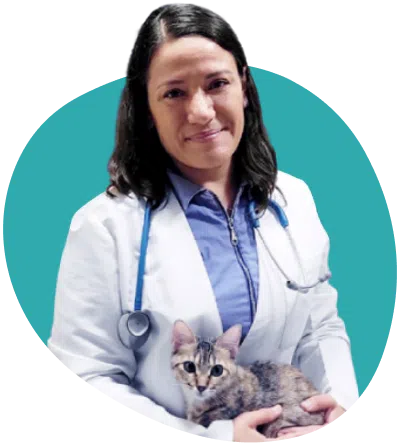
Veterinarian & Animal Behaviorist
With nearly two decades in veterinary medicine, Dr. Paola brings hands-on experience across multiple species. A graduate of the University of Guadalajara, she specializes in preventive care, animal welfare, and positive reinforcement training.
The Question
“Dear Dr. Paola,
My dog Sam lets out big burps after meals, sometimes louder than any person I know. Should I be worried?” – Greg
Quick Info about Sam
Hi Greg,
Thanks for your question. In many cases, a dog’s post-meal burping is simply a result of gulping air while eating. Especially if Sam is a fast eater or, like most dogs, very enthusiastic about food. Dogs can swallow air when they eat quickly, drink water right after eating, or even when they’re a little anxious or overexcited during mealtime. That air needs to escape, and burping is one of the body’s natural ways to do that. Think of it like a pressure valve opening to keep everything functioning smoothly inside. You might also be familiar with what happens to us humans after drinking a fizzy soda.
If Sam is otherwise healthy, with normal appetite and energy levels, and no signs like bloating, retching, or discomfort after meals, the burping is likely harmless. Still, it’s worth slowing his eating pace to reduce the amount of air he swallows. You could try a slow-feeder bowl, spread his food on a lick mat or flat surface, or use puzzle feeders to make mealtime more gradual and engaging. You could also try breaking his daily food allowance into more frequent, smaller meals, and always ensure that he’s calm during feeding.
If you ever notice changes in Sam’s behavior after eating, such as restlessness, a taut or distended belly, or refusal to eat, those could be early signs of something more serious, like gastric dilatation-volvulus (GDV), especially in broad-chested breeds. In such cases, prompt veterinary attention is essential; GDV is a medical emergency. Otherwise, Sam’s burps are likely harmless, and making some small mealtime adjustments can reduce them. If you are ever in doubt or would like to have a vet help you plan his food enrichment, give us a quick call at PangoVet. We would be delighted to help you.
Best, Dr. Paola