Help! My Dog is Losing Her Hair! (Vet Answered)

This question has been answered by a vet
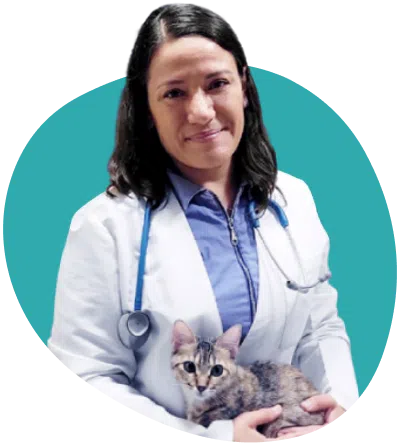
Veterinarian & Animal Behaviorist
With nearly two decades in veterinary medicine, Dr. Paola brings hands-on experience across multiple species. A graduate of the University of Guadalajara, she specializes in preventive care, animal welfare, and positive reinforcement training.
The Question
“My dog Susie is losing her hair. I had her thyroid checked, and with her medication, it is working normally. What can I do about her hair loss? “ – Carol
Quick Info about Susie and Maggie
Hi Carol,
Thank you for being proactive about Maggie’s health. Hair loss in dogs, even when thyroid levels are well-managed with medication, can have multiple causes. Hypothyroidism is a common culprit, but if her levels are stable, we need to look further. Chronic skin inflammation, allergies (either environmental or food-related), parasites like mites, or even hormonal imbalances beyond thyroid function could be contributing factors. In some cases, prolonged hypothyroidism before treatment can also lead to persistent skin and coat changes that take time to improve.
If Maggie’s skin appears dry, flaky, or irritated, or if she’s licking, chewing, or scratching more than usual, it’s important to consider dermatologic causes such as atopic dermatitis or seborrhea. Nutritional deficiencies, especially in essential fatty acids, can also affect coat quality. Ensuring that her diet is complete and balanced, ideally with veterinary guidance, can support skin health. Omega-3 supplements, for example, have evidence-based benefits for skin barrier support and inflammation control. If her coat isn’t improving or the hair loss is worsening, a thorough dermatologic workup by your veterinarian may be necessary, including skin scrapings, allergy testing, or biopsy, depending on the case.
Good luck!
– Dr. Paola