

Help! My Dog Won’t Walk! (Vet Answered)

This question has been answered by a vet
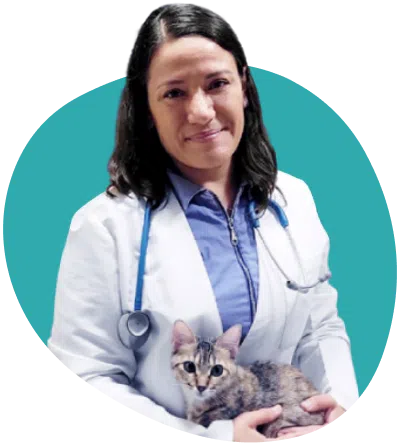
Veterinarian & Animal Behaviorist
With nearly two decades in veterinary medicine, Dr. Paola brings hands-on experience across multiple species. A graduate of the University of Guadalajara, she specializes in preventive care, animal welfare, and positive reinforcement training.
The Question
“Dear Dr. Paola,
Sometimes when we’re walking, my dog Billie turns into a statue and won’t move. At cafés, she insists on standing in the walkways and panting. I’m worried someone’s going to run her over! She’s 8 pounds and 8 years old. Is she okay, and is there anything I should do? ” – Myrna
Quick Info about Billie
Hi Myrna,
When a dog freezes during a walk, it often signals that something in the environment feels off or overwhelming. Dogs commonly use this behavior when they are uncertain, stressed, or even uncomfortable. In Billie’s case, standing still and panting in the middle of a busy café likely reflects anxiety or overstimulation. For a small dog like her, weighing just 8 pounds, even everyday sounds and movements like clattering dishes or someone walking by can feel intense. Additionally, smaller dogs have a higher surface area-to-volume ratio, which means they absorb environmental heat more quickly and can struggle to regulate their temperature, especially on warm pavement or in direct sunlight.
It is also important to consider potential physical discomfort. Pain in the back or joints can make walking less appealing, and dogs are experts at hiding these signs until they become more limiting. Panting, while normal in some situations, may also reflect pain or heat stress, not just emotional tension. I recommend a thorough veterinary check to rule out orthopedic or sensory issues and to ensure she is not dealing with low-grade overheating. In the meantime, try guiding Billie gently away from high-traffic or hot areas, and observe when and where these episodes occur. With a closer look, you will be able to uncover what is bothering her and help her feel safer and more at ease in those situations.
Best,
Dr. Paola