
Help! My Dogs’ Food Has Been Recalled! (Vet Answered)

This question has been answered by a vet
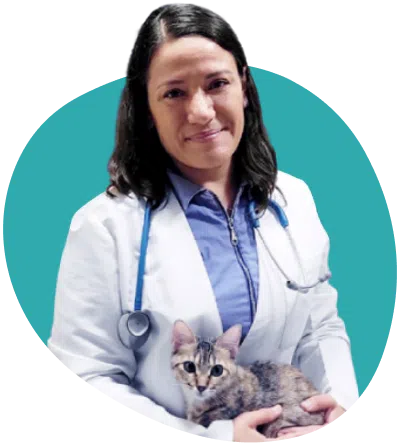
Veterinarian & Animal Behaviorist
With nearly two decades in veterinary medicine, Dr. Paola brings hands-on experience across multiple species. A graduate of the University of Guadalajara, she specializes in preventive care, animal welfare, and positive reinforcement training.
The Question
“Hi Dr. Paola,
I’ve been buying Carna4 dog food for a while for my dogs Emmy and Tazie from a Seller in PA and recently off Amazon. No one notified us that the products were recalled. That is not right, we have been feeding our dogs this dog food along with their home-cooked meal.
What are the health dangers we now need to be aware of? Whose responsibility is it to notify buyers when dangers exist in any “healthy” foods made for humans and our dear fur babies? Should I throw out our latest bag of Duck, Liver, Eggs, and Sprouted Seeds? We live in a buyer beware world; I didn’t see this coming! “ – Donna
Hi Donna,
I completely understand your frustration and concern when we choose a commercially available dog food, we expect transparency and safety, especially when it comes to our dogs’ well-being. Emmy and Tazie are lucky to have someone so proactive and tuned into their care.
To my knowledge, Carna4 has never had a recall, and none have been reported by the FDA. That said, if you heard this from a reliable source, it’s important to determine exactly why the product was pulled. Some recalls are precautionary, such as minor quality concerns, while others are based on confirmed risks due to potential contamination (like Salmonella or mold) and with confirmed cases. The latter ones require immediate action, like pulling them off the shelves.
In general, recalls are issued through coordination with the FDA, and manufacturers are expected to notify retailers, distributors, and, ideally, the public. Unfortunately, not all online retailers or third-party sellers are diligent in passing that information along, which can leave pet parents in the dark. When a recall is announced, particularly if there’s any risk of illness, it’s safest to stop feeding the affected product immediately and monitor your pets for any unusual signs such as vomiting, diarrhea, lethargy, or appetite changes. Even if Emmy and Tazie seem fine, it’s a good idea to notify your veterinarian and keep the packaging or batch number handy in case follow-up testing is needed.
As for responsibility, both the manufacturer and the seller share the ethical obligation to notify consumers, but the reality is, especially in an online marketplace, that follow-through is often inconsistent. In cases like this, it’s always safest to err on the side of caution and discontinue the food until you’ve verified that the batch is not included in the recall. I encourage you to report any concerns directly to the FDA’s pet food complaint portal—they do take consumer reports seriously, and your voice helps advocate not just for your dogs but for others too. By the way, did you know that Dogster sends official recall alerts to your email? You can sign up, and you will get an email whenever a dog’s food has a recall issued. I hope this helps!
Dr. Paola