Help! My Dogs Penis is Unusually Large! (Vet Answered)

This question has been answered by a vet
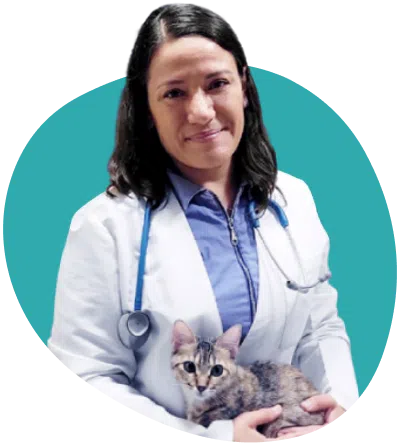
Veterinarian & Animal Behaviorist
With nearly two decades in veterinary medicine, Dr. Paola brings hands-on experience across multiple species. A graduate of the University of Guadalajara, she specializes in preventive care, animal welfare, and positive reinforcement training.
The Question
“My dog is a 1-year-old She/Poo who I just got at Christmas. Is it normal for a dog that is not neutered to have an oversized penis? I was shocked when Mookie was humping his dog bed, and it came out. It literally dragged the floor. I’ll be getting him neutered soon, but this was shocking, and I want to make sure he is okay. “ – Elizabeth
Quick Info about Mookie
📹 Vet's Video Reply (scroll down to see text answer)
Hey Elizabeth,
I understand how alarming that moment must have been, especially with a young dog you are still getting to know. In an intact male dog, what you described can be normal, particularly during sexual arousal or excitement, such as humping a bed. What is protruding is typically the penis along with the bulbus glandis, a normal structure that swells during arousal and can make the penis appear much larger than expected. The size change is temporary and can look dramatic, especially in smaller or young dogs.
At one year of age, hormones are very active, and behaviors like humping and visible penile swelling are common in intact males. As long as the tissue is pink, moist, and retracts back into the prepuce within a reasonable amount of time, this is considered within normal limits. It is important to monitor for signs such as prolonged exposure that does not resolve, discoloration such as dark red or purple tissue, swelling that does not go down, or discomfort, as these could indicate paraphimosis or irritation that would require prompt veterinary attention.
Neutering often reduces hormonally driven behaviors over time, although it is not an immediate switch, and some habits may persist if they have become learned behaviors. Until his neuter appointment, keeping him calmly redirected during humping episodes and ensuring the area stays clean and moist can help prevent irritation. If anything like persistent swelling or difficulty retracting occurs, seeking veterinary care promptly is important, and if you are unsure whether what you are seeing is urgent, our Pangovet service is just one click away to help you decide the next appropriate step without delay.
Best,
– Dr. Paola