I Adopted a Malnourished Greyhound & Need Help! (Vet Answered)

This question has been answered by a vet
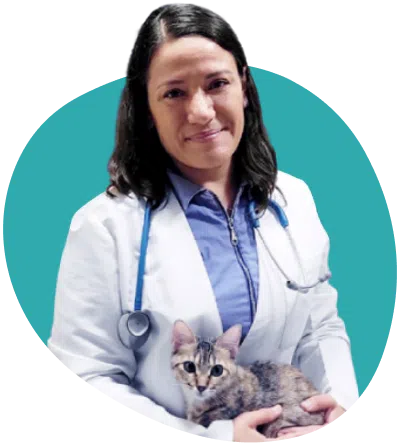
Veterinarian & Animal Behaviorist
With nearly two decades in veterinary medicine, Dr. Paola brings hands-on experience across multiple species. A graduate of the University of Guadalajara, she specializes in preventive care, animal welfare, and positive reinforcement training.
The Question
“Dear Dr. Paola,
We have recently adopted a Greyhound called Zimmi, who is severely malnourished and is still in rehab before we get her on Saturday. All of her medical tests came back with a clear bill. She has been sterilized recently and has had all her injections, dewormings, and Bravecto treatments. How can I assist with her weight gain and her overall progress?” – Natashja
Quick Info about Zimmi
Hi Natashja,
Thank you for opening your heart to Zimmi. Greyhounds, especially those coming from racing or neglectful backgrounds, often arrive underweight and in need of both physical and emotional rehabilitation. Since her medical tests came back clear, that gives us a solid foundation to build upon. Supporting her recovery now involves a thoughtful balance of nutrition, routine, and patience.
To help Zimmi gain weight safely, focus on feeding a highly digestible, calorie-dense diet that’s rich in animal protein and moderate in fat. Avoid rushing into overfeeding, as her digestive system is likely still adapting. It’s often helpful to start with smaller, more frequent meals throughout the day rather than large portions all at once.
Since you are mentioning she is severely malnourished, I would recommend you ask the vet who performed her medical tests if a prescription recovery diet would be necessary, as they are specifically formulated to support pets recovering from malnutrition, surgery, or illness. They are typically energy-dense, highly digestible, and enriched with high-quality animal protein, essential fatty acids, and key micronutrients to promote tissue repair, immune support, and healthy weight gain. Think of them as a nutritional safety net that helps the body rebuild from the inside out, without overwhelming the digestive system. If the vet says no, then a high-quality dog food formulated for active or working dogs can work well. You might also want to consider adding gently cooked, species-appropriate proteins like chicken, turkey, or lean beef, along with omega-3-rich fish like sardines, which can support both muscle recovery and coat health. Remember that the goal is slow, steady recovery, not rapid expansion. You might also speak with your veterinarian about incorporating a canine probiotic or digestive enzyme supplement to improve nutrient absorption, especially given her recent deworming and medical treatments.
In addition to nutrition, gentle reconditioning of her muscles through short, controlled walks and calm enrichment activities will help rebuild both her strength and her confidence. Greyhounds are often incredibly sensitive and may take time to relax in a home setting. Keeping a consistent, low-stress environment will go a long way. As long as she continues to eat well, gain weight slowly, and shows signs of increased vitality and comfort, you’re on the right track. I recommend documenting this with photos, regular weights, and, if possible, even measurements. This makes it easier to evaluate real progress. However, if at any point she plateaus or regresses, a quick call with a vet at Pangovet can be helpful to determine whether further diagnostics or some adjustments to her nutrition plans are needed. Thanks for your kindness towards Zimmi. You’re giving her a beautiful second chance, and I think that with your love and care, she’ll flourish.
– Dr. Paola