

Thoughts on Anti-Aging Pills for Dogs? (Vet Answered)

This question has been answered by a vet
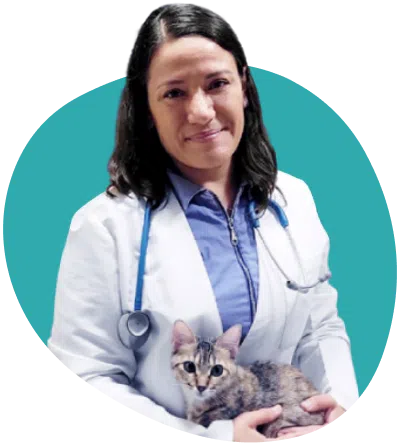
Veterinarian & Animal Behaviorist
With nearly two decades in veterinary medicine, Dr. Paola brings hands-on experience across multiple species. A graduate of the University of Guadalajara, she specializes in preventive care, animal welfare, and positive reinforcement training.
The Question
“Hey Dr. Paola,
What do you think of the new anti-aging pill for dogs?“ – Su
Hey Su!
I find it super interesting and exciting! The idea that we may soon have safe, effective tools to extend our dogs’ health and lifespan is truly groundbreaking. Advances like LOY-002 and LOY-003, both under development by Loyal, reflect how far veterinary science has come in understanding and addressing the aging process. LOY-002 is a daily, beef-flavored pill designed for senior dogs over ten years of age and at least 14 pounds. It acts as a caloric restriction mimetic, which means it aims to deliver the benefits of a reduced-calorie diet, such as improved metabolic health and delayed onset of age-related diseases, without actually reducing the dog’s food intake or causing unwanted weight loss. LOY-003, meanwhile, targets large-breed dogs earlier in life, aiming to slow down the more rapid aging these breeds typically face. Both medications are still undergoing clinical trials, but LOY-002 has already earned a “reasonable expectation of effectiveness” designation from the FDA, signaling progress toward conditional approval.
Equally compelling is the research being conducted by the Dog Aging Project on the use of rapamycin, a drug originally used as an immunosuppressant. Rapamycin is being studied for its potential to improve cardiac and cognitive function, with the hope that it may extend the canine lifespan by 15%. This approach builds on findings from other species where the drug has shown potential to enhance longevity. While rapamycin is not currently approved for anti-aging use in dogs outside of controlled studies, its exploration marks a significant moment in our understanding of the biology of aging.
While these innovations are incredibly promising, they should complement, not replace, the essentials of lifelong health. A complete and balanced diet that is fresh, nutrient-dense, and minimally processed, with naturally occurring antioxidants, plays a vital role in supporting your dog’s immune function and cellular health. When combined with regular veterinary care, mental enrichment, physical activity, and lots of love, these foundational practices remain the most powerful tools we have to help our dogs age with strength, dignity, and joy. Thanks for bringing this up in our weekly space, Su. I am confident many pet parents will be excited to learn about these promising advances in veterinary science!
– Dr. Paola