Thyroid Pills & Feet Issues! (Vet Answered)

This question has been answered by a vet
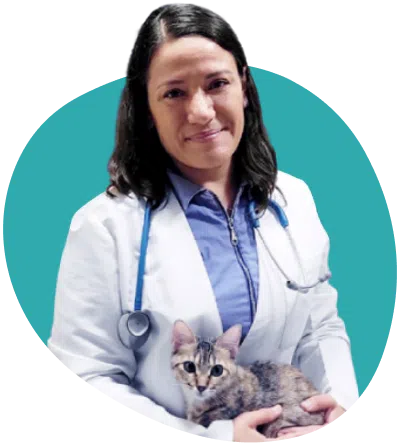
Veterinarian & Animal Behaviorist
With nearly two decades in veterinary medicine, Dr. Paola brings hands-on experience across multiple species. A graduate of the University of Guadalajara, she specializes in preventive care, animal welfare, and positive reinforcement training.
The Question
“Can you share some insights about hypothyroid dogs that start thyroid pills, and their feet become seriously affected?“ – Randy Webster, DVM
Hi dear colleague,
When a hypothyroid dog starts thyroid medication and experiences serious issues with their feet, it’s essential to investigate the cause. While the standard treatment medication (levothyroxine) is generally well-tolerated, some dogs may have pre-existing skin conditions that become more noticeable as their metabolism adjusts. Hypothyroidism itself often causes poor skin and coat health, and when treatment begins, the body starts metabolizing nutrients differently, which can temporarily worsen these issues before improvement is seen.
If the feet are becoming excessively dry, cracked, swollen, or developing sores, this could be due to an underlying secondary infection, an allergic reaction, or even excessive thyroid hormone levels if the medication dosage is too high. Autoimmune skin conditions like pemphigus, which can cause severe paw pad issues, may also be unmasked when metabolism shifts. A follow-up check-up including cytology for secondary infections, thyroid level re-evaluation (total T4, free T4 by equilibrium dialysis, and possibly TSH), and, if indicated, biopsy for autoimmune pathology. This is crucial to assess whether the medication needs to be adjusted if additional treatment for infections or allergies is required, or if a different underlying condition is at play. Until then, keeping the paws clean and moisturized with a dog-safe balm can help provide relief.
I hope this helps!
Dr. Paola