
What Medicine Helps Senior Dobermann Incontinence Without Kidney Damage? (Vet Answered)

This question has been answered by a vet

Small Animal Veterinarian
Dr. Karyn is a small animal veterinarian originally from Australia, now based in the UK. She holds degrees in Veterinary Science (2010) and Zoology. When not helping pets, she tends to her 5 cats, 5 dogs, and garden!
The Question
What’s the best type of medicine to help incontinence that doesn’t damage the liver or kidneys?
Quick Info about Lexi
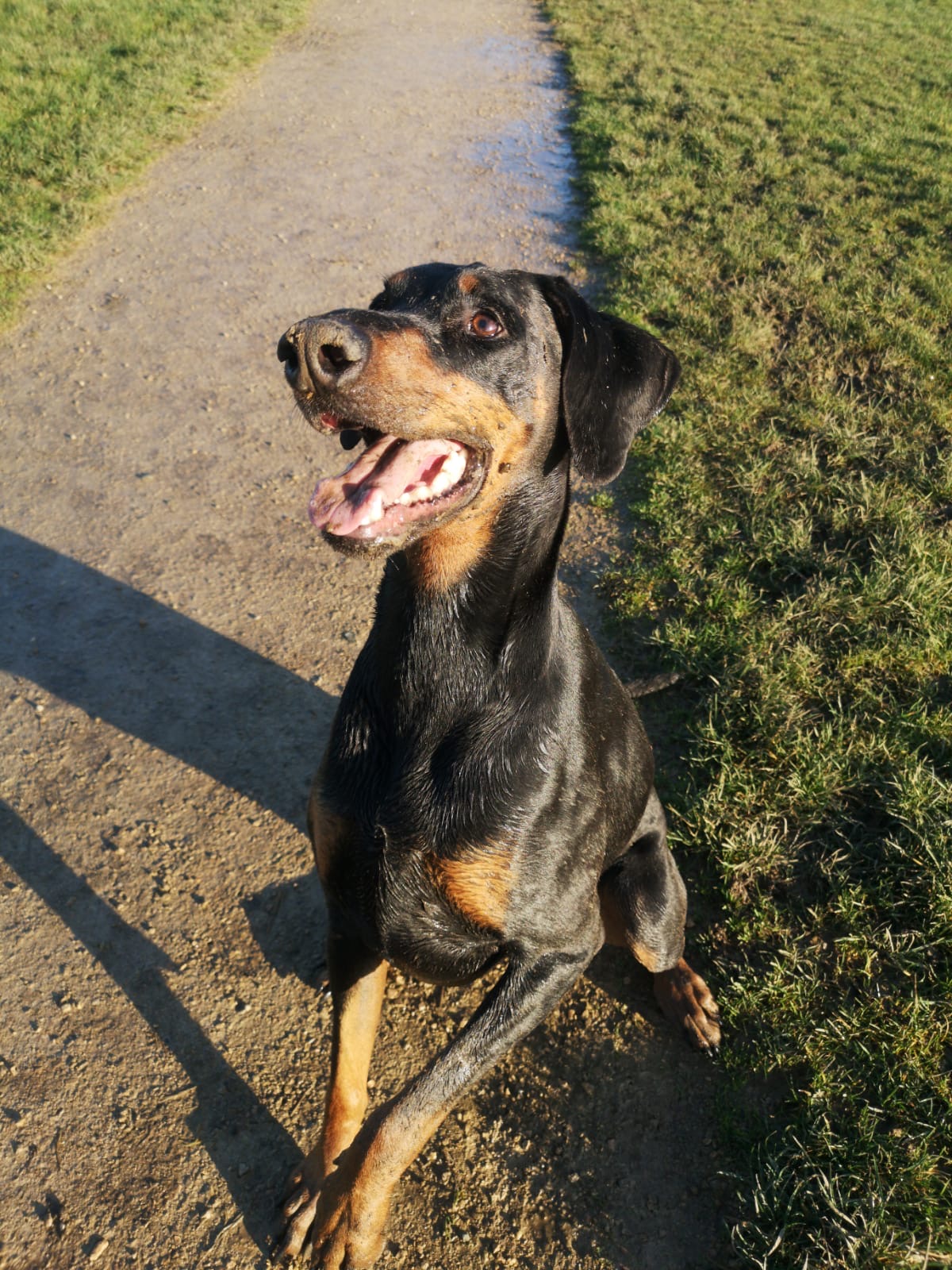
 Lexi's profile picture
📹 Vet's Video Reply (scroll down to see text answer)
Hi Carter, That’s an excellent question. Urinary incontinence isn’t uncommon in geriatric female dogs, but it can also be an unfortunate consequence of spaying, particularly in larger breeds when spayed at a younger age. There is still a lot of debate over how, when, and at what age we should spay dogs of different breeds, so what is recommended one day might change the next, which can be really frustrating! It can be particularly difficult when trying to strike a balance between managing the condition and avoiding the side effects of medication, particularly when, like with Lexi’s case, the problem started at such a young age. The risks of being on medication for a few years is very different to being on them for a lifetime. The two main types of medication used to manage urinary incontinence in dogs are estrogen therapy (a bit like HRT in women) and sympathomimetics (smooth muscle stimulants), and like most medications that have a measurable physiological effect, they also have side effects. The more common side effects of sympathomimetics include tachycardia (increased heart rate) and hypertension (high blood pressure), which can lead to an increase in urine protein levels and damage to the renal tubules (kidney damage). Rare side effects include dizziness, reduced appetite, arrhythmia, collapse, aggression, hyperactivity (including restlessness), polydipsia (increased thirst), polyuria (increased urination), ataxia (wobbliness), and seizures. In the case of estrogen therapy (estriol), there is an increased risk of tumor development in organs with estrogen receptors (ie. mammary glands). Each case is different, and some dogs may need a combination of both medications to achieve good control, while others will not respond at all. Another issue that can complicate things is that urinary incontinence is often associated with an increased risk of urinary tract infection, as the sphincter that is allowing urine to leak can also allow bacteria in, so regular checks for infection are a good idea. There are also several anatomical conditions that can cause urinary incontinence, so ruling these out with contrast imaging and ultrasound is always a good idea. In more severe cases, surgical intervention may be considered, but it is a pretty big step and not always successful. There has been some reported success using collagen injections to add bulk to the tissue surrounding the urethra, but this is still in fairly early days. The best way to achieve a good balance between therapeutic effects and minimizing the risks of side effects is to work closely with your vet to titrate Lexi’s medication to the minimum effective dose, with regular check ups on her blood pressure and urine to ensure she is not suffering from any negative effects of the medication. Increasing her access to the toilet, either by having a dog door or more frequent bathroom trips will also reduce the amount of pressure placed on her urethral sphincter by a full bladder. Hopefully this helps you find the right balance between risk and management! If you would like to discuss this in more detail, you can make an appointment to speak to a vet online at Pangovet.com, and I have included some links to some further reading that might be of use. Dr Karyn https://www.dogster.com/dog-health-care/is-spay-incontinence-permanent https://www.vin.com/apputil/content/defaultadv1.aspx?pId=20539&catId=113458&id=8506512